In this exercise I am to examine knitting. I am first to create a mind map (1) of what knitting means to me and what I associate with it. I am then to do some visual research (2) by finding contemporary and historical examples of knitting being represented. I am then to see how the examples of knitting that I’ve found support or contradict the associations identified in my mind map (3). I am then to see if there is a general stereotype of knitting and how have contemporary images of knitting played with this stereotype (4).
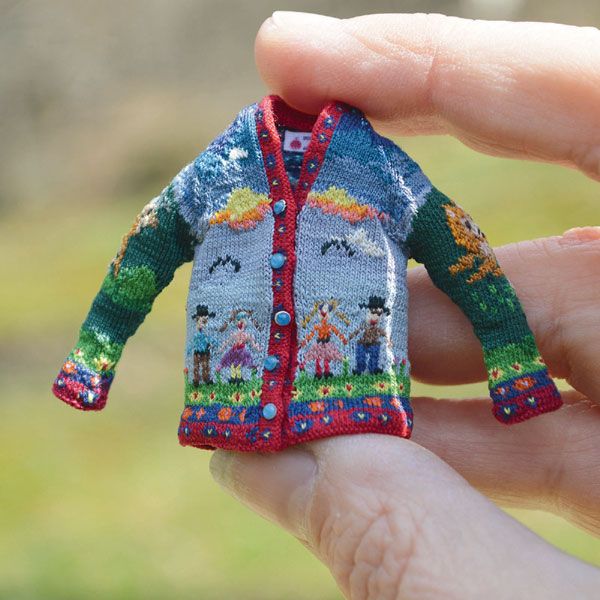
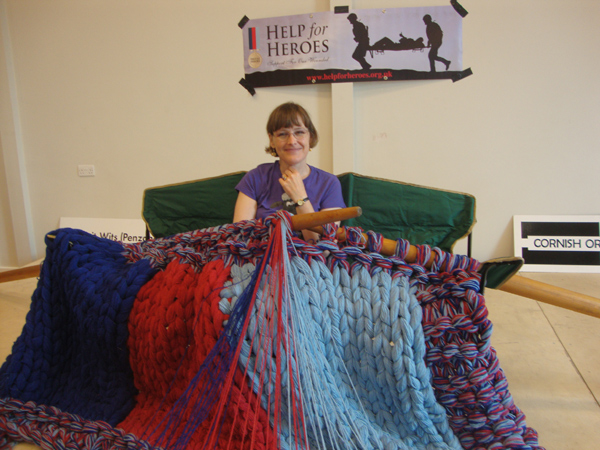
Mind Map I first brainstormed everything I could think of to do with knitting. I immediatly came up with the stereotype of old ladies sitting around knitting and churning out scarves, gloves, jumpers etc. I then thought of different types of knitter that I had seen. A Scouse friend of mine used to bring her knitting into work and do it during tea breaks when she was feeling stressed (the needles were a blur and she would swear profusely the entire time but she always felt better afterwards), a lady on Dragons Den submitted a pitch for giant yarn and giant knitting needles. Last year I went to Bowood House craft fair (Kirsty Allsop event) and there were knitted covers on lamp shades, lamp posts and everything inbetween. I guessed that there might be cases of extrmee knitting and sure enough I discovered both the incredibly small and the oversized. This soon morphed into (2) find contemporary and historic examples.
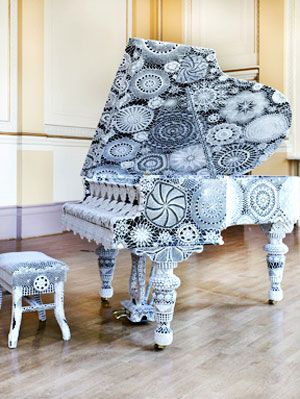
And then…..I discovered…..yarn bombing….
What is yarnbombing? ” the action or activity of covering objects or structures in public places with decorative knitted or crotcheted material, as a form of street art”
( Dictionary.com. (2019). Dictionary.com Is The World’s Favorite Online Dictionary. [online] Available at: https://www.dictionary.com/ [Accessed 26 Aug. 2019].)
Knitting as street art?! Surely not!…….but how wrong I was…
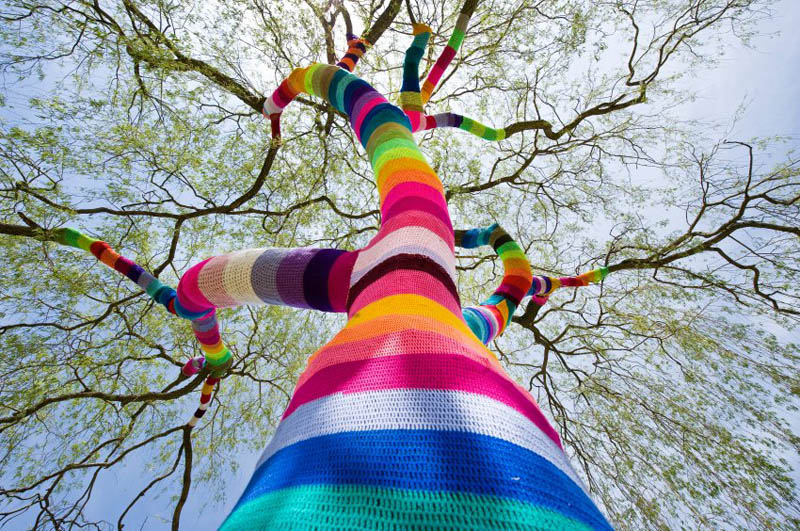

Dwell. (2019). Yarn Bombing Uses Knitting as a Public Art Form. [online] Available at: https://www.dwell.com/article/yarn-bombing-uses-knitting-as-a-public-art-form-d21d6bd2 [Accessed 26 Aug. 2019].


Ive always thought of knitting as a womens activity as traditionally we have been the ones to stay at home. I’ve found a picture reference which backed up that point and made me laugh quite a lot. It doesnt get any more ‘female in the home’ than Mary the mother of Jesus pictured knitting in a painting created in the 1350’s.

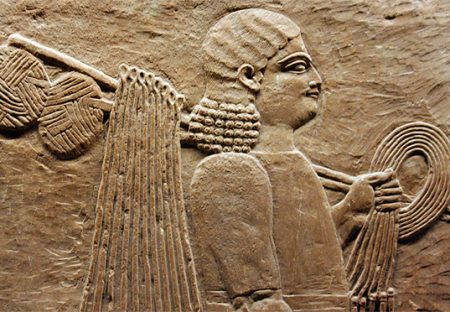
I initially started looking for the earliest trace of knitting. Every book or art starts with a cave painting of something and sure enough I found a photo of what looks like knitting in an Egyptian looking stone carving. I was quite excited to read more about this on the website I discovered it on, unfortunately though they do not seem to know anything about the picture themselves, it isn’t mentioned at all in the text. I’ve included it as a point of interest.
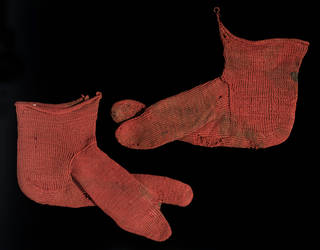
This is the Vand A’s earliest example of knitting. It is a pair of socks from Egypt dating from around the 3rd to 5th century AD.
Knitting was recognised and protected as a trade in England from an early age. In 1571 the cappers act was past which enforced the wearing of caps for most common people on every Sunday and holiday “a Cap of Wool knit, thicked and dressed in England, made within this Realm, and only dressed and finished by some of the Trade of Cappers, upon pain to forfeit for every Day of not wearing three Shillings four Pence”
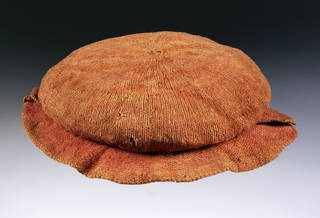
In the 18th century knitting became a pasttime of wealthy ladies who had the hours to spend learning to knit properly. It soon became a ladies ‘skill’ such as singing and playing the piano. The creation of fancy items became a widely accepted way of demonstrating ones taste and skill level.
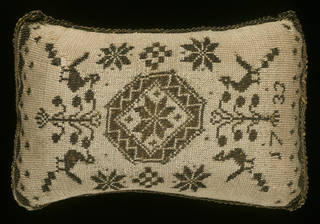
As knitting became more well known it was adopted by sailors and fishermen as a way of creating garments to keep themselves warm, around this time the cable stitch was developed which added bulk and warmth to the items.

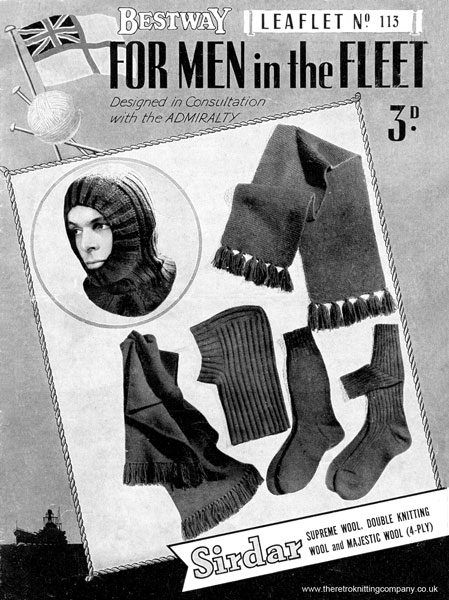
In the First World War people were encouraged to knit items to keep the soldiers in the trenches warm. Again in the second world war with wool in short supply people were encouraged to recycle with knitting, picking apart old jumpers to make new ones.


I was quite surprised to see quite how long knitting has been going on for!
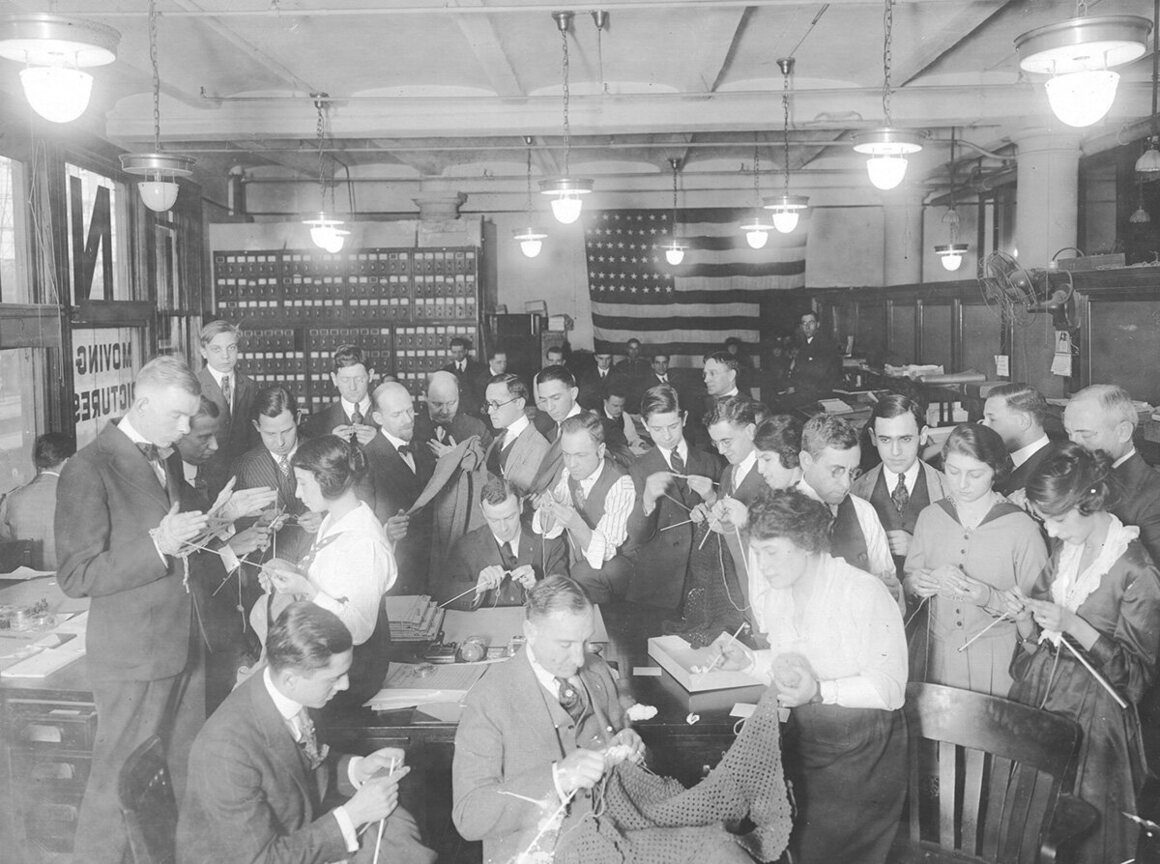
Atlas Obscura. (2019). How American Knitters Helped Save WWI Soldiers From Trench Foot. [online] Available at: https://www.atlasobscura.com/articles/when-knitting-was-a-patriotic-duty-wwi-homefront-wool-brigades [Accessed 26 Aug. 2019]. Male employees of the Universal Motion Picture Company knit during lunch hour, under the guidance of female stenographers. NATIONAL ARCHIVES/ 20802092
The Knitting Wool Store. (2019). History of Knitting from ancient times to the present day. [online] Available at: https://www.the-knitting-wool-store.com/history-of-knitting.html [Accessed 26 Aug. 2019].
3. Looking at the stereotypes which I came up with from my initial mind map and the actual history of knitting, they are worlds apart. Whereas I was under the impression that knitting was something that only old people did when they were less mobile and had more time on their hands, it is in fact something that people have done for thousands of years. Its an economical way to generate clothing and provide garments with added warmth to those who may need them. I particularly enjoyed learning about how during World War Two people used to unpick old jumpers to recycle the wool and knit new ones. Everything I have learnt in my research absolutely contradicts the associations identified in my mind map.
4. There is definitely a general stereotype of knitting as being associated with old people. I think this is because those who are in their 60’s now were probably the last generation to use knitting as a necessity. I have parents in their 60s and they both have tales of knitted swimming costumes. Thanks to the internet and a new interest in all things craft, knitting is becoming more well known again. New interest in it as a hobby is awakening. I think that if the same question were to be asked in another 10-15 years the answer would be that Knitting is something craft loving people do. I for one hope that it will be around for a long time to come.
 Creative Arts Today